
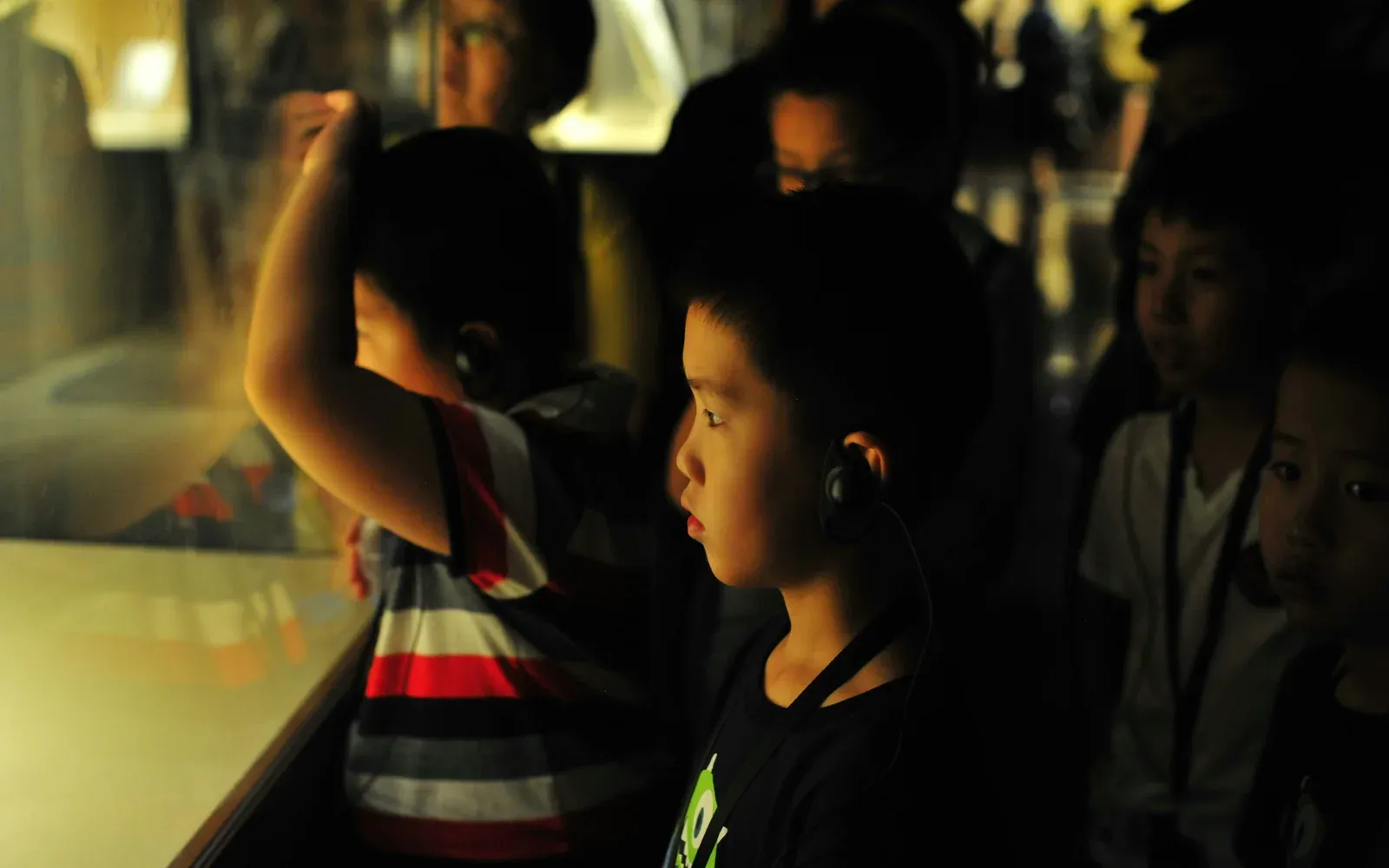
Accessibility in culture is increasingly seen as a priority for museums, cities and cultural spaces in general. However, when we talk about accessibility, children are not always included in the discussion.
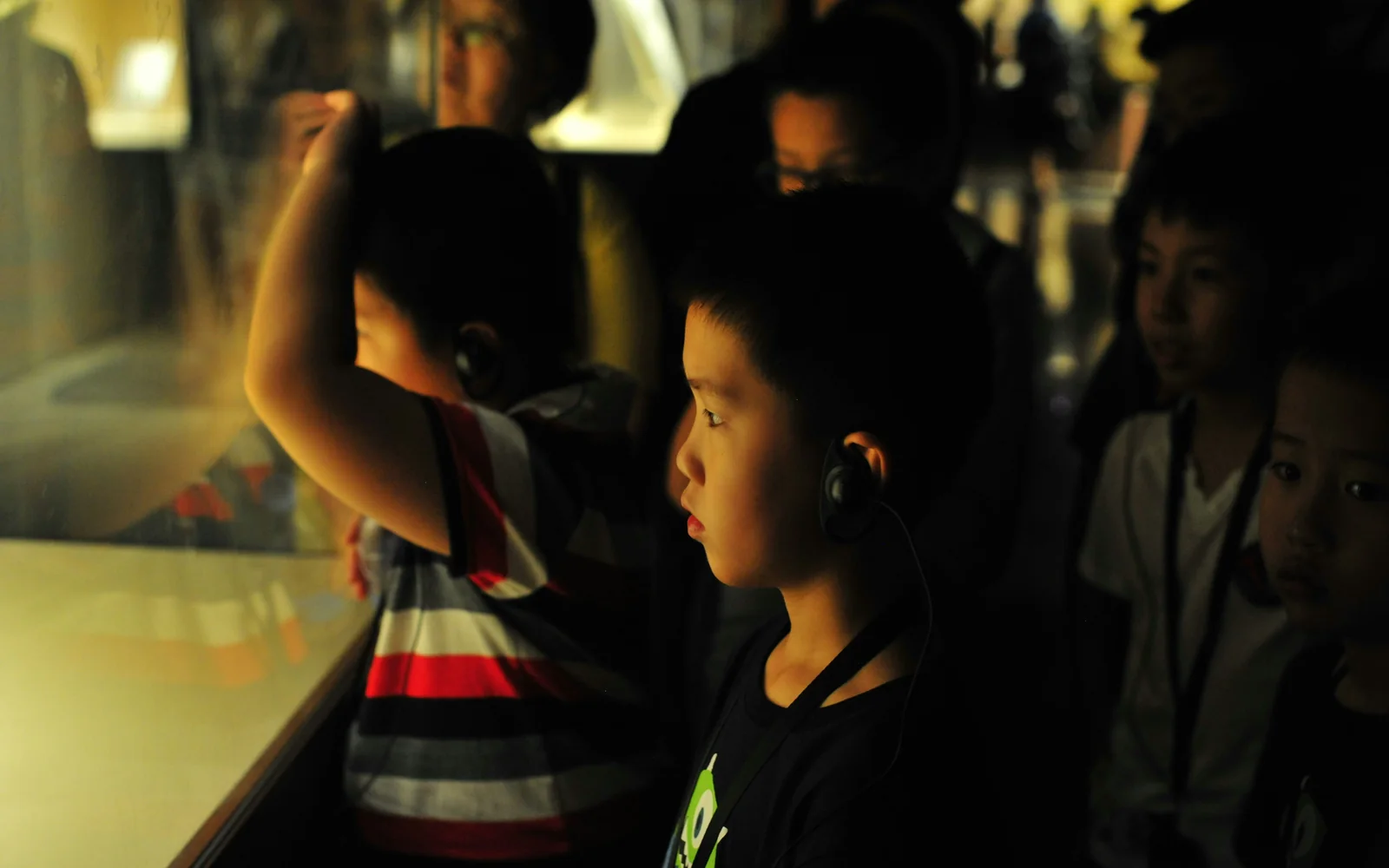
It is essential to include them by adapting texts and content for younger audiences, allowing children to participate more fully in cultural experiences.
What does it mean to adapt content for children?
Adapting content is not simply simplifying it. It means transforming information so that it becomes understandable, interesting and appropriate for different age groups.
This involves considering reading level, vocabulary, text structure and the way information is presented.
At Zoomguide, for example, specific content for children can include short and objective texts, interactive questions, illustrative images, adapted works and audio-description versions adapted to younger audiences. These resources are designed to promote children’s autonomy and engagement during the visit.
Promoting active participation
When a child understands what they are seeing, they feel truly welcome and become an active participant. The child is no longer just accompanying adults; they engage with the exhibitions and artworks themselves.
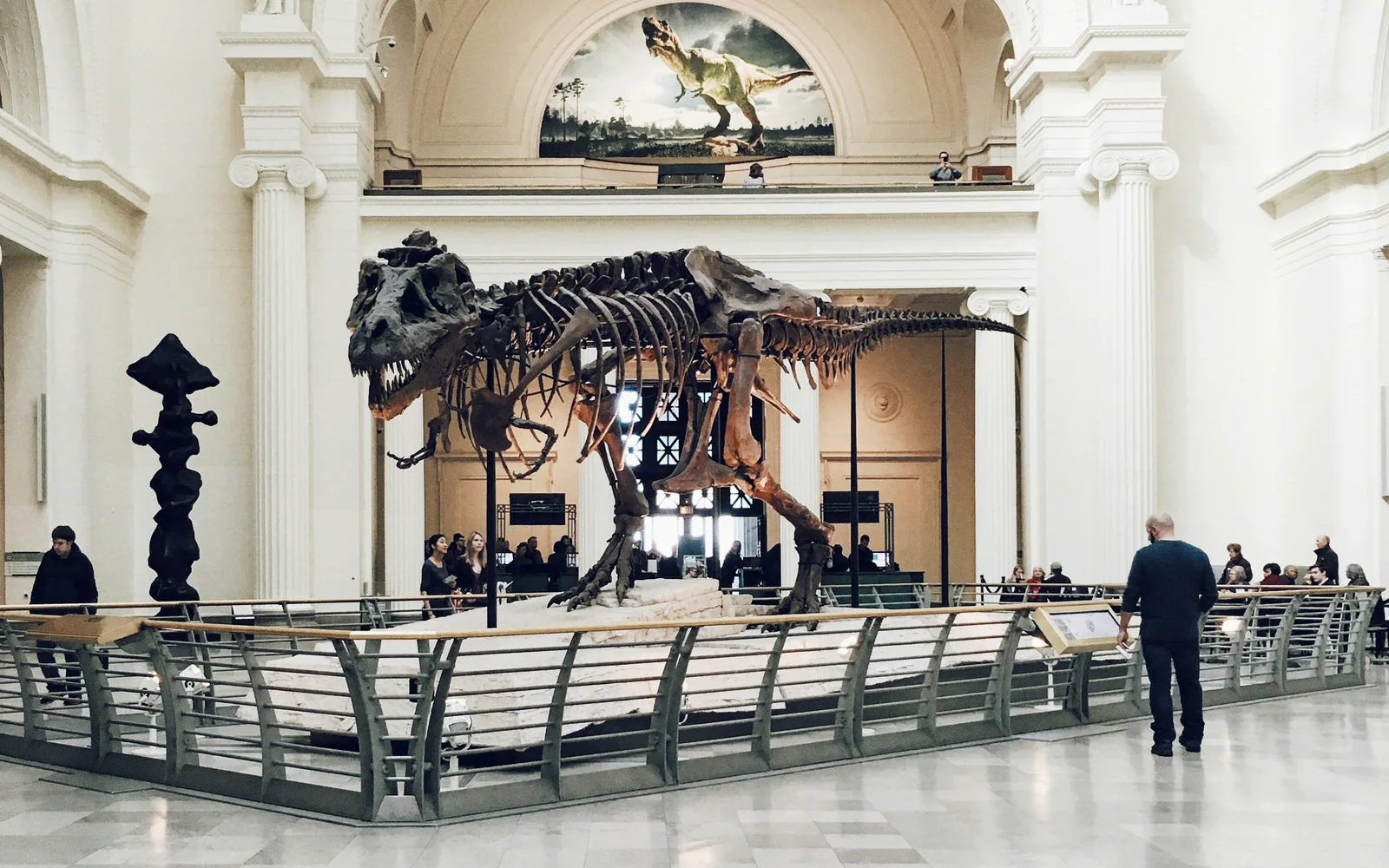
This enriches the experience for the whole family or school group and helps strengthen children’s relationship with culture from an early age.
Cultural accessibility should be available from childhood. It helps create visiting habits early and contributes to lifelong relationships with cultural spaces, especially when these places are associated with positive memories.
Including all children
Accessibility also means recognizing that not all children have the same reading or comprehension abilities. Some may have cognitive difficulties, while others may simply learn in different ways.
By offering adapted content in different formats, such as visual, narrated or interactive formats, cultural spaces become more inclusive and better prepared to welcome all visitors, regardless of their specific needs.
An investment with impact
Adapting texts for children is not only a matter of social responsibility. It is also an effective strategy for attracting new audiences, including families.
It helps position institutions as accessible, innovative and committed to inclusion. Accessibility can and should begin with the content available on site.
By doing so, cultural spaces build a closer relationship with visitors and reinforce their educational and social role.
Conclusion
Accessibility in culture includes language. Child-friendly texts are essential so that younger visitors can understand, participate and appreciate what they see.
Making content accessible means ensuring that everyone, regardless of age, has the right to access culture. Today, these details make all the difference.