
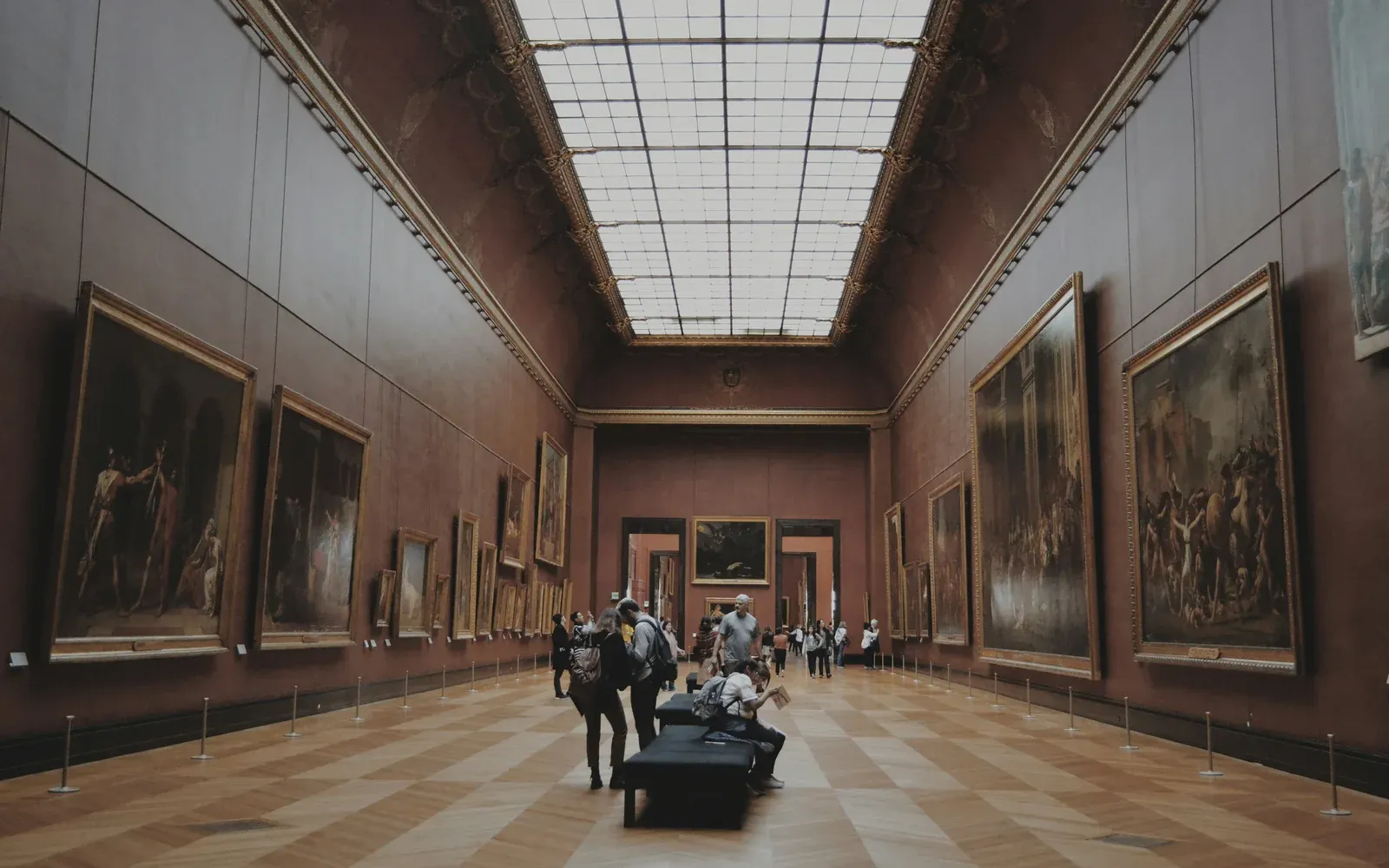
Digital transformation is no longer a distant trend for museums. It is part of how audiences discover, access and relate to culture. Ignoring this transformation can create real costs for institutions, even when those costs are not immediately visible.

These costs can affect relevance, operations, accessibility and the relationship between museums and their audiences.
Loss of relevance
Visitors increasingly expect digital support before, during and after a visit. They search online, plan routes, compare experiences and use smartphones as part of everyday life.
A museum that does not adapt may appear less accessible or less prepared to welcome contemporary audiences. This can be particularly significant for younger visitors, tourists and families.
Limited accessibility
Digital tools can make cultural content available in multiple languages and adapted formats, including audio description, sign language, simplified language and children’s content.
Without digital transformation, many institutions struggle to provide these formats consistently. This limits access for visitors with different needs and reduces the museum’s ability to be truly inclusive.
Operational inefficiency
Digital systems can help teams update content, manage routes, collect feedback and understand visitor engagement. When museums rely only on printed materials or static systems, changes are slower and more expensive.
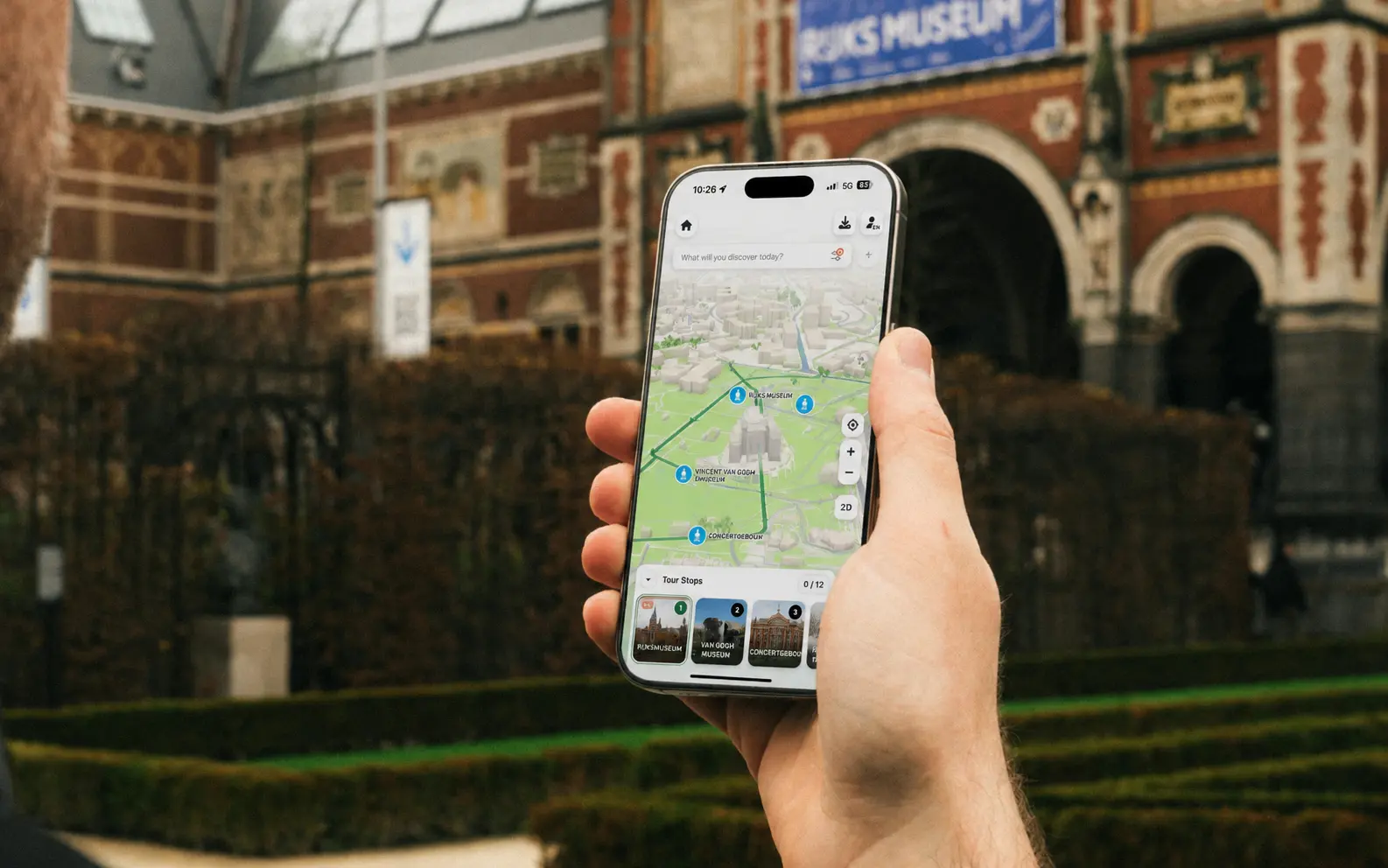
A lack of digital tools can also make it harder to evaluate what is working and where improvements are needed.
Missed opportunities for engagement
Digital transformation allows museums to create richer experiences through audio, video, maps, gamification, interactive content and personalized routes. These tools can increase dwell time, improve understanding and create stronger memories.
Ignoring these possibilities means depending on formats that may no longer be enough for all audiences.
The hidden cost of waiting
Delaying digital transformation can seem like a way to save money, but waiting often increases the gap between the institution and visitor expectations. It can also make future implementation more difficult, because content, processes and teams may need to change all at once.
A gradual and strategic approach is usually more sustainable.
Digital transformation should not be seen as a replacement for the museum’s mission. It should be seen as a way to strengthen that mission by making culture more accessible, more engaging and easier to manage.
The cost of ignoring it is not only technological. It is cultural, operational and institutional.