
Museums and cultural spaces play a crucial role in preserving culture and history. However, many institutions face the challenge of attracting younger audiences, who are used to digital, interactive and highly visual experiences.
Technology can help museums become more engaging for these audiences without losing curatorial rigour or cultural depth.
New expectations from younger visitors
Younger audiences often expect experiences that are dynamic, participatory and easy to access. They are used to using smartphones, multimedia, social platforms and interactive content in their daily lives.
This does not mean they are not interested in culture. It means cultural spaces need to communicate in formats that feel closer to their habits and expectations.
Interactive and multimedia experiences
Digital tools can enrich museum visits through audio, video, images, animations, maps, augmented reality and visual recognition. These formats can make complex subjects easier to understand and more attractive to younger visitors.
Instead of only reading panels, visitors can listen to stories, explore details, follow challenges or access content in different formats.
Gamification and participation
Gamification can be particularly effective for younger audiences. Missions, questions, points, clues and rewards can encourage exploration and make the visit more active.
When designed well, gamification does not trivialize cultural content. It helps visitors pay closer attention and build stronger memories.
Easy access matters
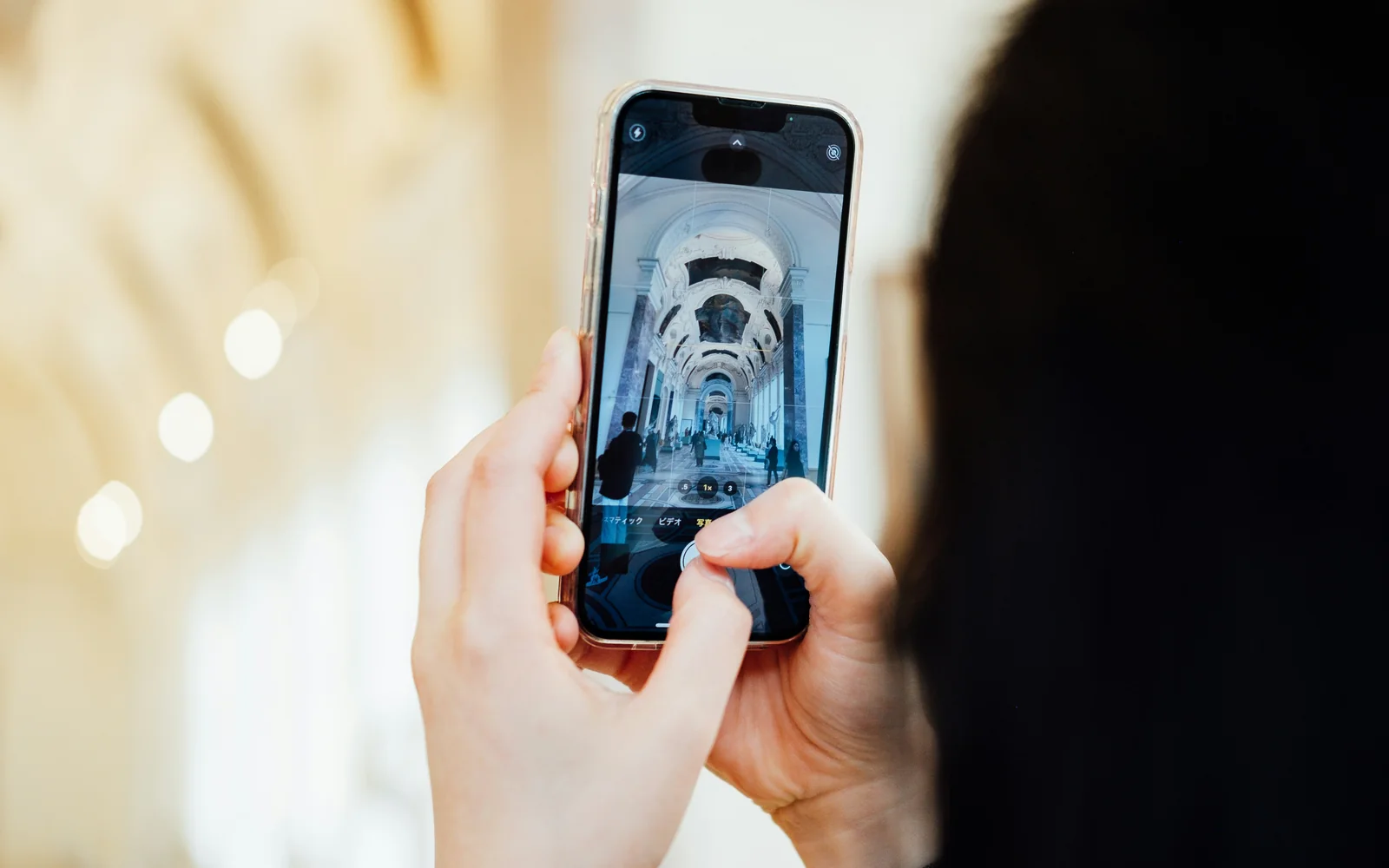
For younger audiences, the digital experience should be immediate. Requiring a long download, registration or complex onboarding can reduce participation.
Progressive Web Apps and no-download experiences can be especially useful because they allow visitors to start quickly from their own smartphones.
Technology with purpose
The goal is not to add technology simply because it is modern. The goal is to use technology to support interpretation, accessibility and engagement.
Museums that use digital tools strategically can create experiences that are more attractive to younger audiences while preserving the depth and authenticity of their collections.
By combining storytelling, multimedia and participation, technology can help bring new generations closer to culture and make museums feel more relevant in their lives.