
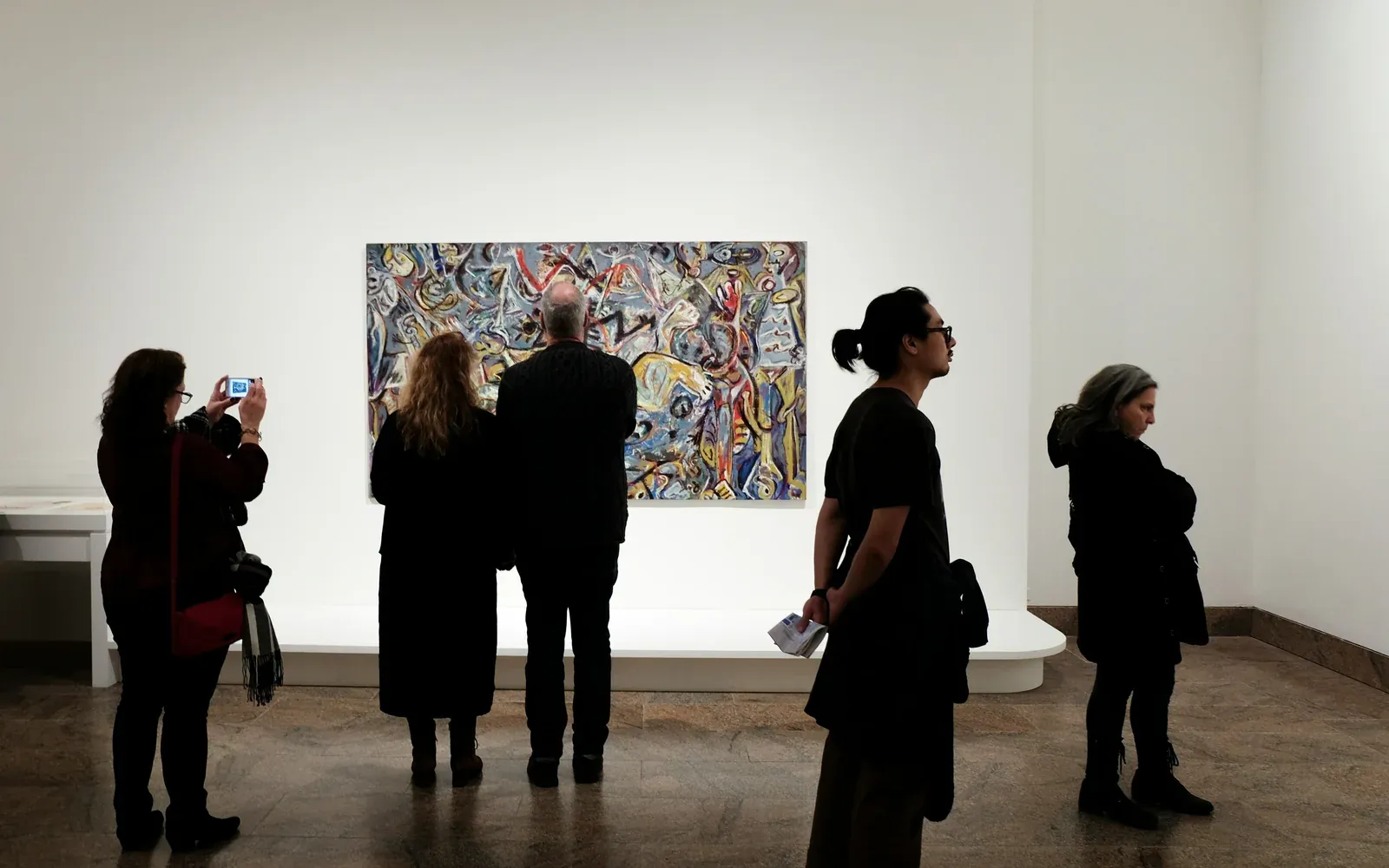
Although museums and cultural spaces are one of the main reasons tourists visit a destination, these places often face challenges that affect the quality and depth of the visit. Visitors enter and leave quickly, do not fully engage with the content available and, in general, may not develop a strong connection with the experience.
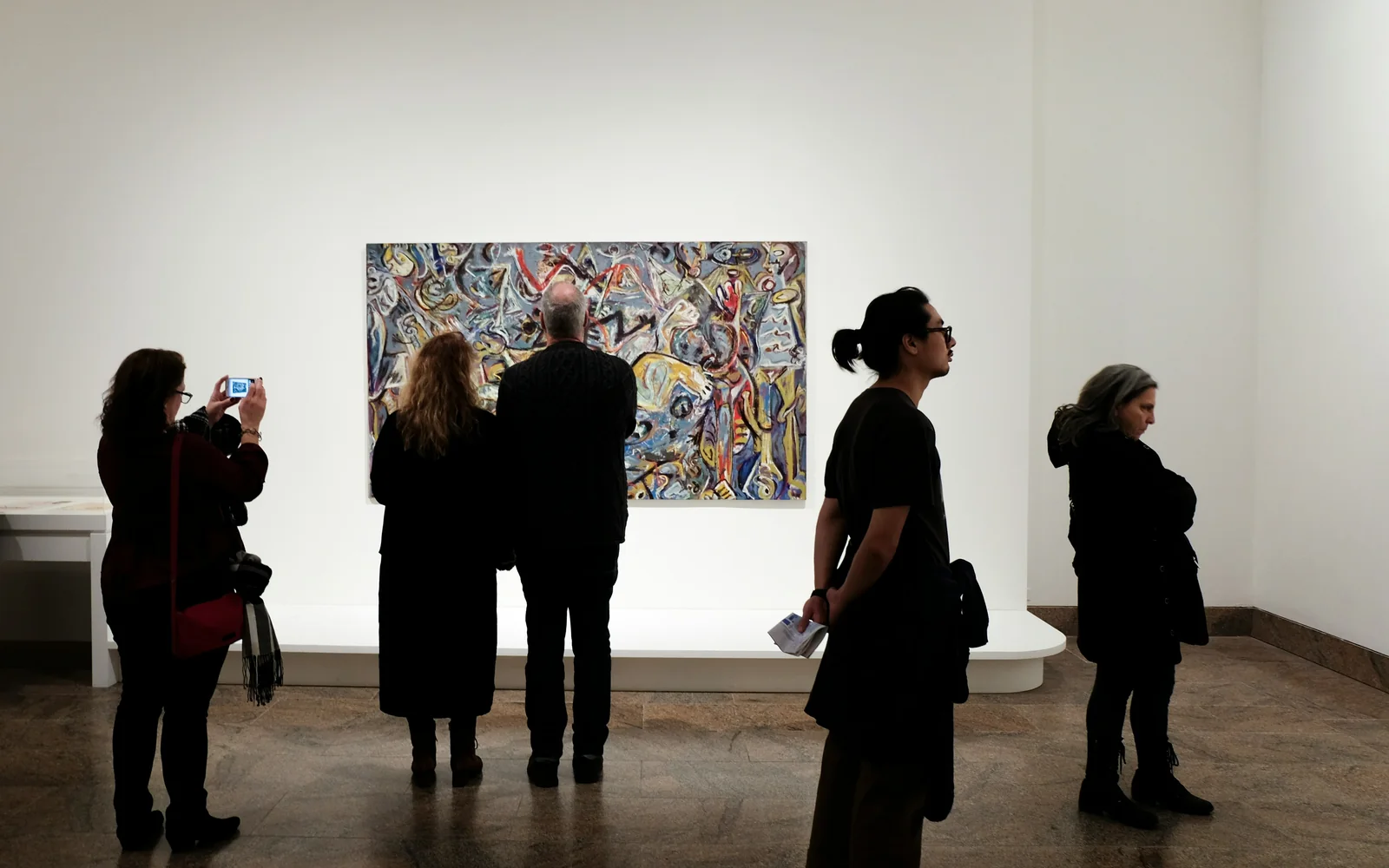
These challenges can be addressed by creating more engaging and interactive experiences. This raises a central question: why do some experiences capture our attention while others do not?
Think about the museums or cultural spaces you have visited. Which one created an experience you still remember? It probably involved more than simply observing an exhibition and reading the information provided about it. Today, the traditional visit model, focused mainly on guided narratives, facts, dates and short descriptions, is no longer enough to meet the expectations of contemporary visitors.
Visitors seek meaningful experiences
The rise of the digital world has made this issue more visible. We are surrounded by an excess of content, but retention is often low. Visitors are not necessarily looking for more information. They are looking for free exploration, meaningful experiences and memorable moments.
In this context, curation and narrative stop being only creative tools and become strategic tools. The information provided should help create an emotional connection with the audience, turning cultural spaces into immersive experiences, while preserving the essential role of context and relevance for the heritage on display.
What matters most is giving visitors a memorable visit. Over time, they are more likely to remember the experience they had in a museum than the isolated information they read on a panel.
Storytelling and gamification as engagement tools
To respond to this challenge, cultural spaces can use storytelling and gamification techniques to make the visit more engaging. These approaches usually involve games or challenges with structured curiosity, progression through missions or stages and some form of reward, whether psychological, such as the feeling of discovery and achievement, or physical, such as discounts, gifts or special offers.
However, it is important not to infantilize the experience or compromise the seriousness and rigour of heritage interpretation. Gamification should support the cultural experience, not replace it.
More time, deeper impact
More than simply personalizing and enriching the experience, these dynamics can extend the duration of the visit and transform emotional impact into measurable indicators for the cultural space. Visitors are often motivated by curiosity, by the desire to find out what happens next in the story or challenge, and by the possibility of taking an active role in the experience.

For these interactive activities, tools such as digital audio guides and adaptive content play a central role. They allow curation and technology to be integrated into a continuous and immersive experience. Compared with traditional visits, this approach can increase dwell time and deepen audience engagement.
In a context where visitor attention is increasingly limited, investing in experiences based on storytelling and gamification is no longer just a differentiator. It is becoming a strategic necessity.
It is through the combination of narrative, interaction and technology that cultural spaces can not only increase the time visitors spend on site, but also create deeper and more lasting relationships with their audiences.
Cultural spaces that want more time, more impact and more relevance do not necessarily need more content. They need to adapt their stories more creatively to resonate with their target audiences. In the end, the spaces that stand out are not those with the most information, but those that can transform knowledge into experiences that visitors want to continue exploring.