
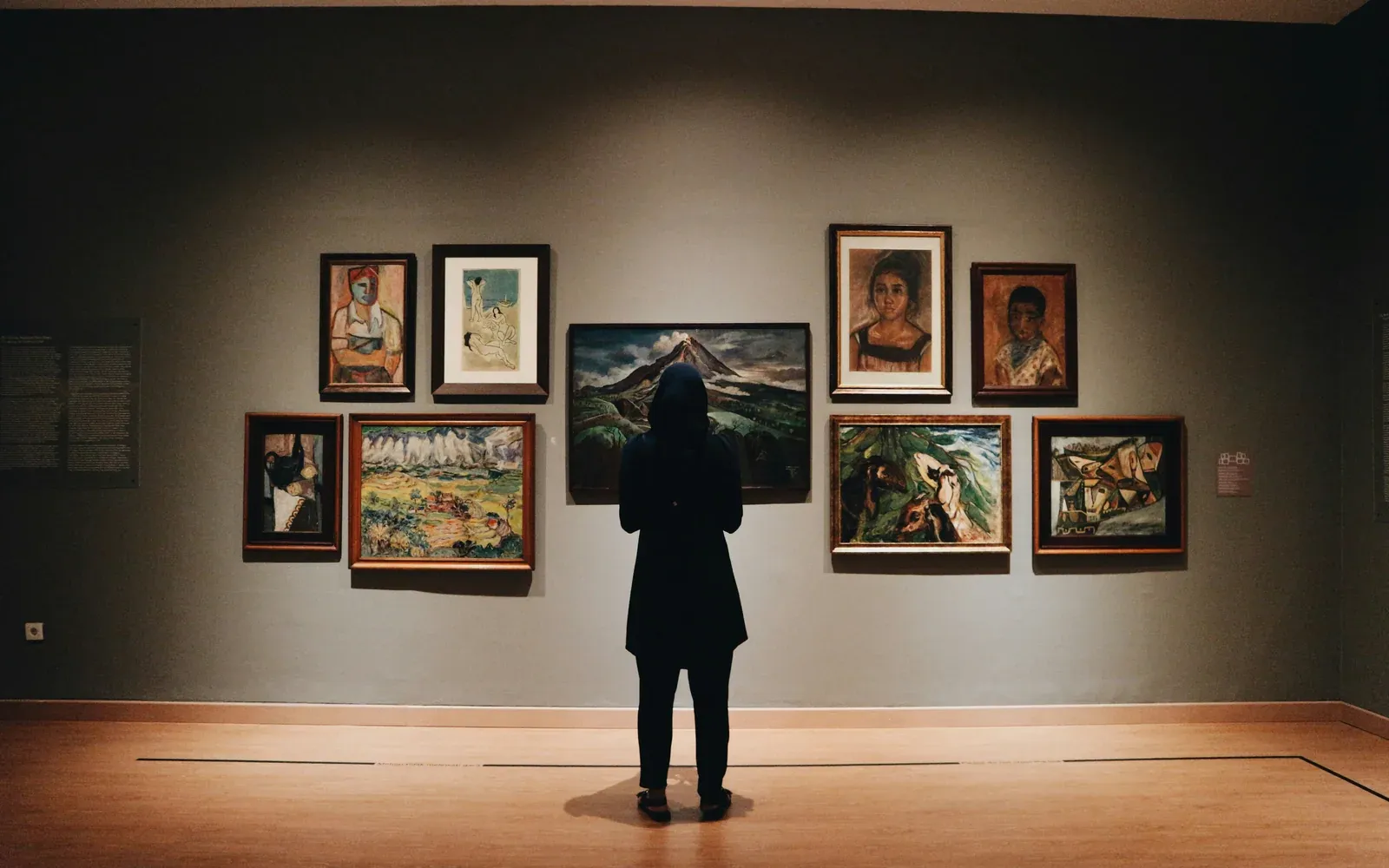
How often, when standing in front of a work of art, do we feel that we do not know where to begin? The work is there, silent, full of meaning, but the visitor may not have the tools to understand its context, symbols, choices or relevance.
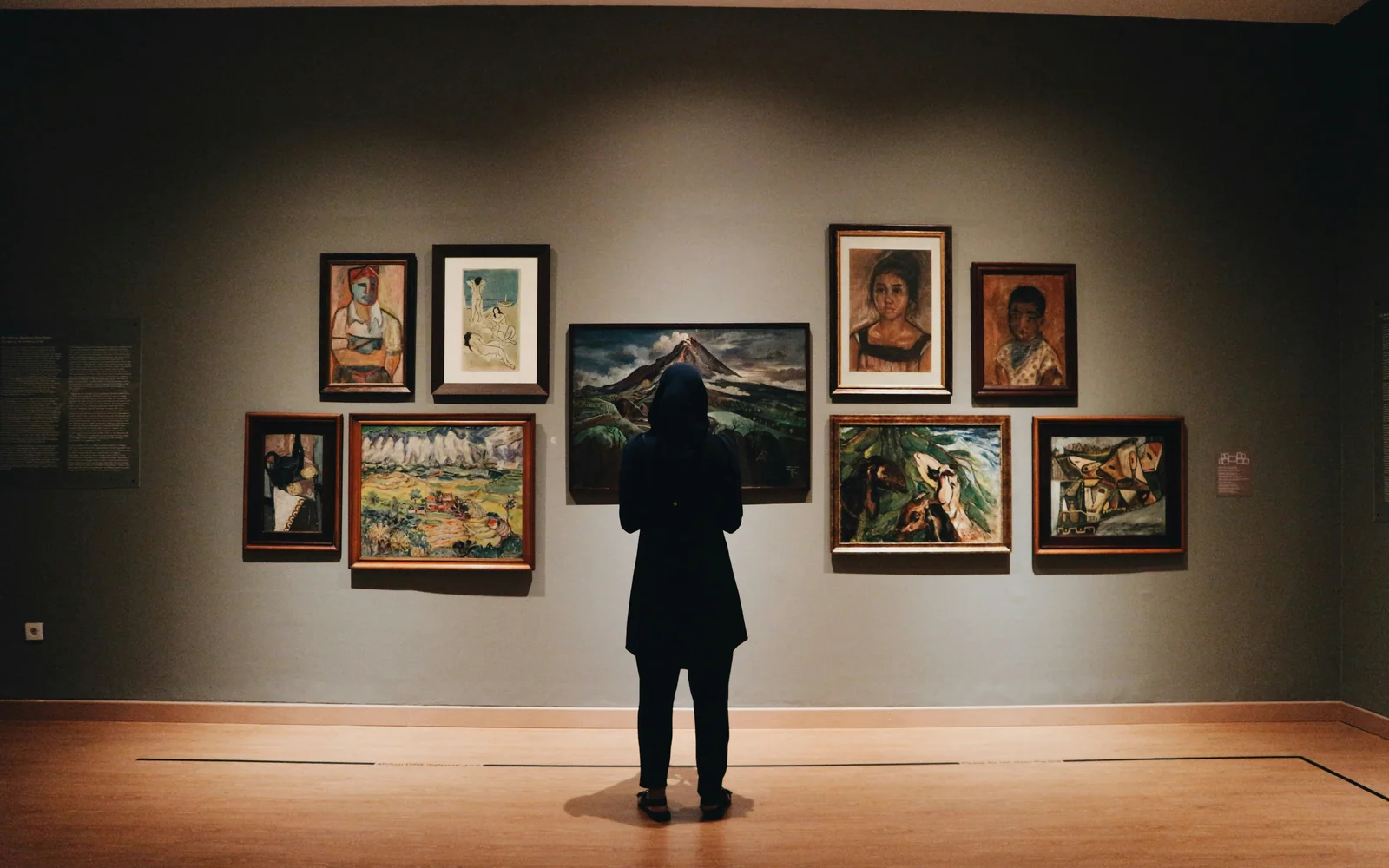
This is where storytelling becomes essential. It does not replace the artwork or simplify it unnecessarily. It creates a bridge between the object and the visitor, helping people understand why something matters and how it connects with history, emotions and human experience.
Art does not always communicate by itself
There is a common idea that artworks should speak for themselves. Sometimes they do. But many cultural objects require context. They were created in a specific time, for specific reasons, using codes that are not always familiar to contemporary audiences.
Without interpretation, visitors may observe the surface of a work without accessing its deeper meaning. They may see colours, shapes, materials or scenes, but miss the stories, tensions and intentions behind them.
Storytelling helps reveal these layers. It gives visitors an entry point, inviting them to look again with more attention and curiosity.
From information to connection
Traditional interpretation often focuses on dates, names, techniques and historical facts. These are important, but they may not be enough to create a meaningful experience. Visitors also need narrative, emotion and relevance.
A good story can explain who created the work, what was happening at the time, what choices were made, what conflicts existed and why the object still matters today. It can connect the artwork to broader themes such as identity, power, memory, faith, migration or everyday life.
This does not mean inventing stories. It means organizing accurate information in a way that people can follow, remember and feel.
Digital tools and narrative layers
Digital guides can support storytelling by offering different layers of content. A visitor may start with a short introduction and then choose to explore audio, images, video, augmented reality, children’s content, simplified language or deeper historical context.
This flexibility is important because not all visitors want the same level of detail. Some need a quick explanation, while others want to spend more time with a work. Storytelling can adapt to these different levels of curiosity.
Making interpretation more human
At its best, storytelling makes cultural interpretation more human. It reminds visitors that artworks and objects were created, used, preserved and reinterpreted by people. Behind every piece, there are choices, lives, conflicts and meanings.
When cultural spaces use storytelling well, they help visitors move from passive observation to active understanding. The artwork may remain silent, but the experience becomes richer, clearer and more memorable.
In this sense, storytelling is not decoration. It is a fundamental tool for making art and heritage more accessible, engaging and meaningful.