

Museums and cultural events have an important role in society, but they also consume resources, produce waste and generate environmental impact. Temporary exhibitions, printed materials, transport, lighting, climate control and event production all contribute to this footprint.

Reducing this impact is becoming increasingly important for cultural institutions that want to act responsibly and respond to contemporary environmental challenges.
Rethinking materials and production
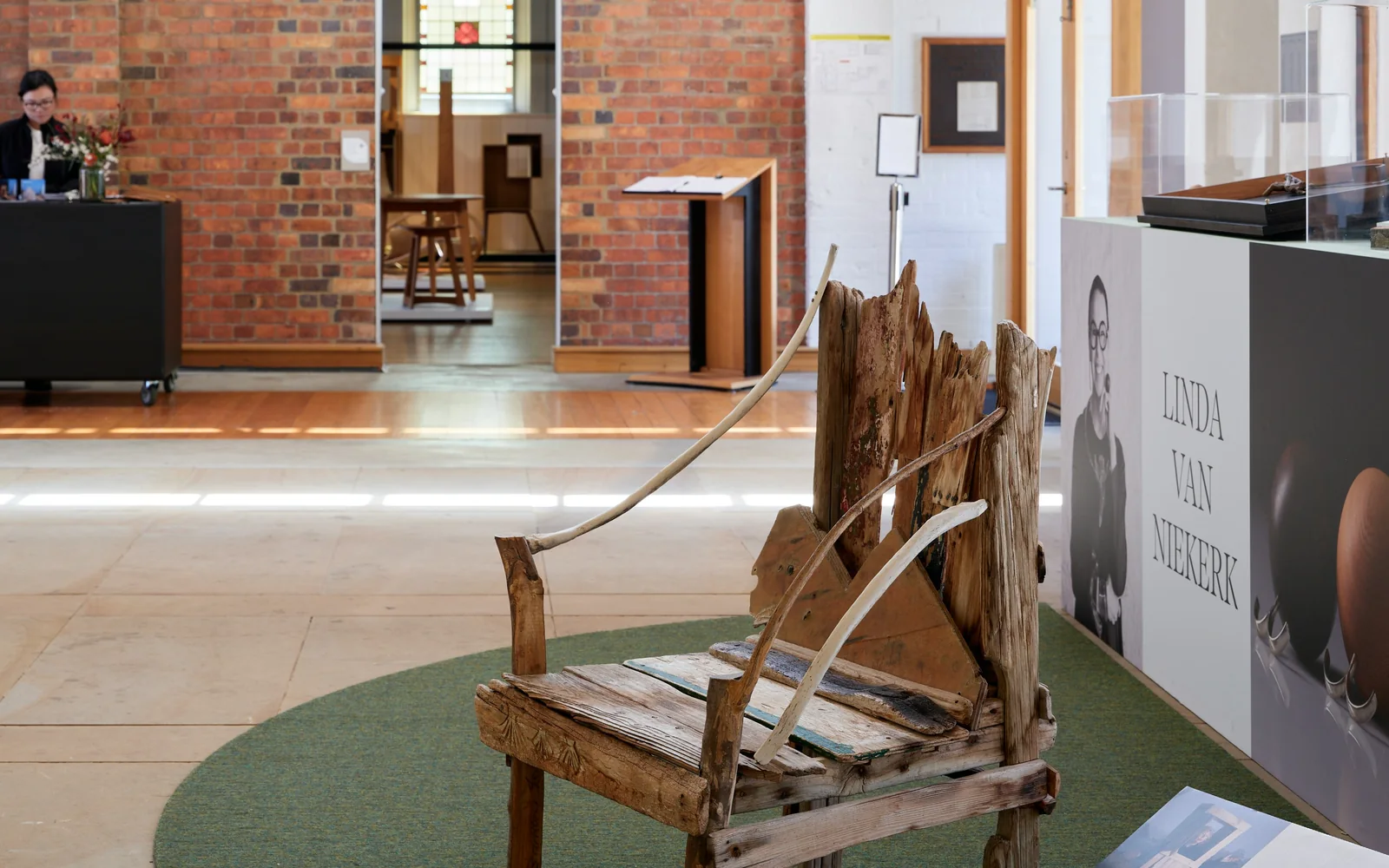
Temporary exhibitions often use materials that are discarded after a short period. Sustainable museums can reduce waste by choosing reusable, recyclable or modular structures and by planning exhibitions with the full life cycle of materials in mind.
Reusing display elements, sharing resources between institutions and avoiding unnecessary production can make a significant difference.
Reducing paper consumption
Printed brochures, maps, catalogues and leaflets can quickly become outdated or unused. Digital tools offer alternatives that reduce paper waste while keeping information easy to update.
Digital guides, online maps and mobile interpretation can provide visitors with rich content without requiring large volumes of printed materials.
Energy efficiency
Museums often require lighting, climate control and technical equipment to protect collections and welcome visitors. Improving energy efficiency can reduce environmental impact and operational costs.
This may include LED lighting, smarter climate management, better insulation and more efficient equipment.
Digital solutions and sustainability
Digital solutions can support sustainability in several ways. They can reduce physical materials, guide visitors more efficiently, provide updated information and support remote access to some content.
They can also help institutions understand visitor behaviour and plan resources more effectively.
Events with lower impact
Cultural events can reduce impact by using reusable materials, minimizing single-use items, encouraging public transport, managing waste properly and choosing suppliers with sustainable practices.
Communication with visitors is also important. Digital channels can explain sustainable choices and encourage responsible behaviour.
Sustainability as cultural responsibility
Museums are places of knowledge, memory and public reflection. They can also help society think about sustainability through their own practices.
By reducing waste, improving efficiency and adopting digital alternatives where appropriate, museums can align their operations with the values they often promote through exhibitions and education.
Sustainable museums are not only environmentally responsible. They are more efficient, more future-ready and more credible as institutions that contribute to collective awareness and long-term cultural value.